CDP Edu
Academic Curriculum
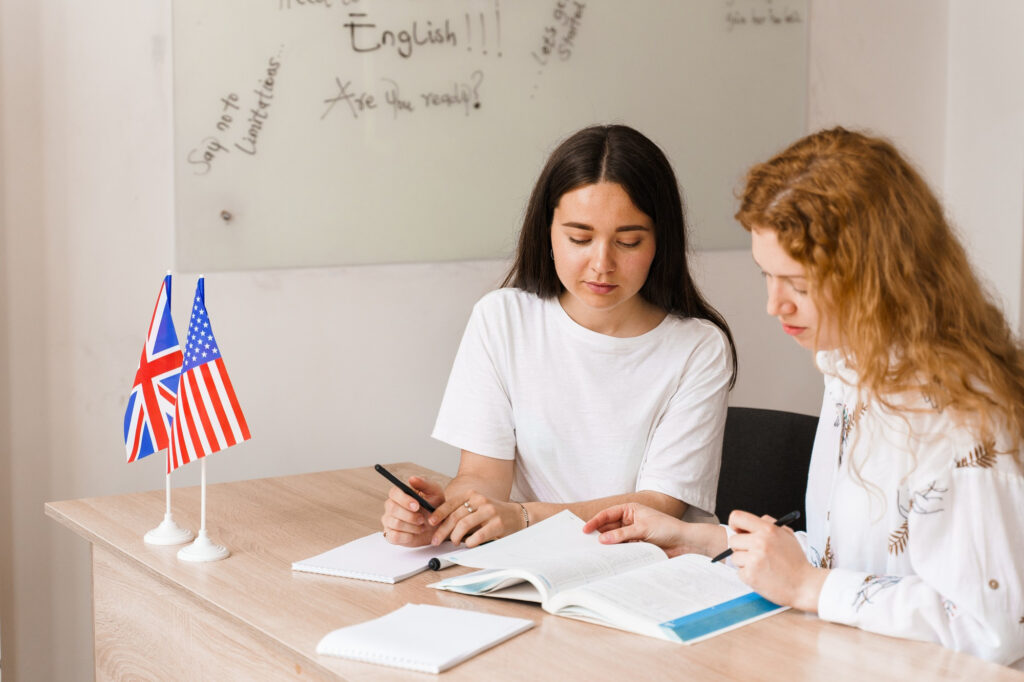
English
| Year Level | Key Learning Focus |
|---|---|
| Year 1–3 | Building basic reading and writing fluency. Understanding simple sentence structure, common sight words, and story sequencing. |
| Year 4–6 | Expanding vocabulary and paragraph writing. Developing comprehension through fiction & non-fiction texts; basic grammar and punctuation. |
| Year 7–8 | Analysing text structure and author’s purpose. Writing persuasive and narrative essays; applying advanced grammar and cohesive devices. |
| Year 9–10 | Critical reading of short stories, articles, and visual texts. Structuring formal essays, improving argumentation and textual analysis. |
| Year 11–13 | Academic writing for NCEA Level 1–3. In-depth literature study, research essays, and preparation for external assessments and UE literacy. |
Math
| Year Level | Key Learning Focus |
|---|---|
| Year 1–3 | Counting, grouping, basic arithmetic operations; identifying shapes and simple measurement. |
| Year 4–6 | Fractions, decimals, percentages, and word problems. Introduction to angles, data, and probability. |
| Year 7–8 | Algebraic thinking, ratios, integers, and geometry reasoning. Connecting number concepts and logical problem-solving. |
| Year 9–10 | Algebra, linear graphs, trigonometry, and probability. Preparing for NCEA Level 1 mathematics. |
| Year 11–13 | NCEA Levels 1–3: Algebra, calculus, and statistics. Applying mathematical models to real-life and UE numeracy requirements. |

Math
| Year Level | Key Learning Focus |
|---|---|
| Year 1–3 | Counting, grouping, basic arithmetic operations; identifying shapes and simple measurement. |
| Year 4–6 | Fractions, decimals, percentages, and word problems. Introduction to angles, data, and probability. |
| Year 7–8 | Algebraic thinking, ratios, integers, and geometry reasoning. Connecting number concepts and logical problem-solving. |
| Year 9–10 | Algebra, linear graphs, trigonometry, and probability. Preparing for NCEA Level 1 mathematics. |
| Year 11–13 | NCEA Levels 1–3: Algebra, calculus, and statistics. Applying mathematical models to real-life and UE numeracy requirements. |

Science
| Year Level | Key Learning Focus |
|---|---|
| Year 10–11 | Core topics: biology, chemistry, physics fundamentals. Scientific investigation skills for NCEA Level 1. |
| Year 12-13 | Specialised study in chosen sciences — e.g., Genetics, Mechanics, Organic Chemistry. Preparation for NCEA Levels 2–3 and university pathways. |
1:1 Intensive Reading & Writing
| Year Level | Reading Focus | Writing Focus | Key Skills & Outcomes |
|---|---|---|---|
| Year 3–4 | Read short fiction & non-fiction stories (150–300 words). Identify main ideas, characters, and simple moral lessons. | Write short summaries (3–5 sentences) and simple personal responses. | Vocabulary building (10 words/lesson), understanding story structure (beginning–middle–end). |
| Year 5–6 | Read chapter books and informative texts (300–600 words). Recognise themes, character traits, and author’s purpose. | Write clear paragraph summaries, short book reports, and compare–contrast paragraphs. | Develop comprehension & inference skills, expand vocabulary through context clues. |
| Year 7–8 | Read novels, biographies, and short stories (600–1,000 words). Analyse plot, setting, tone, and message. | Write structured essays (introduction–body–conclusion), including literary analysis and creative writing. | Learn to use textual evidence, connect reading to writing, and express interpretations logically. |
| Year 9–10 | Study classic and modern novels, persuasive texts, and thematic readings. Explore symbolism, irony, perspective, and social issues. | Produce analytical essays, novel studies, and critical responses. Practice extended writing with coherent argument and style. | Strengthen essay planning, argument structure, and vocabulary precision. |
| Year 11–13 | Read and analyse complex literary works (novels, plays, poetry). Evaluate author’s intent, language features, and cultural context. | Write academic essays, literary critiques, and exam-style responses aligned with NCEA Achievement Standards. | Master advanced writing, critical thinking, and text interpretation required for UE and university preparation. |

1:1 Intensive Reading & Writing
| Year Level | Reading Focus | Writing Focus | Key Skills & Outcomes |
|---|---|---|---|
| Year 3–4 | Read short fiction & non-fiction stories (150–300 words). Identify main ideas, characters, and simple moral lessons. | Write short summaries (3–5 sentences) and simple personal responses. | Vocabulary building (10 words/lesson), understanding story structure (beginning–middle–end). |
| Year 5–6 | Read chapter books and informative texts (300–600 words). Recognise themes, character traits, and author’s purpose. | Write clear paragraph summaries, short book reports, and compare–contrast paragraphs. | Develop comprehension & inference skills, expand vocabulary through context clues. |
| Year 7–8 | Read novels, biographies, and short stories (600–1,000 words). Analyse plot, setting, tone, and message. | Write structured essays (introduction–body–conclusion), including literary analysis and creative writing. | Learn to use textual evidence, connect reading to writing, and express interpretations logically. |
| Year 9–10 | Study classic and modern novels, persuasive texts, and thematic readings. Explore symbolism, irony, perspective, and social issues. | Produce analytical essays, novel studies, and critical responses. Practice extended writing with coherent argument and style. | Strengthen essay planning, argument structure, and vocabulary precision. |
| Year 11–13 | Read and analyse complex literary works (novels, plays, poetry). Evaluate author’s intent, language features, and cultural context. | Write academic essays, literary critiques, and exam-style responses aligned with NCEA Achievement Standards. | Master advanced writing, critical thinking, and text interpretation required for UE and university preparation. |
Free Entrance Test
CDP Edu Free Enrollment Assessment Process
| Item | Details |
|---|---|
| Subjects Assessed | Maths, English, and/or Science |
| Purpose | To gather valuable insights into the student's current academic standing |
| Duration | Takes approximately 20–30 minutes |
| Post-Assessment Action | Results are discussed with parents, and recommendations for next steps are made. |
| Key Outcomes | Identification of the student's weaknesses, strengths, and knowledge gaps |
| Application | This data is used to tailor a lesson plan specifically for your child and determine appropriate class allocations. |